Revitalize Plumbing With Efficient Pipe Lining Techniques
When it comes to maintaining and repairing plumbing systems, the process of pipe lining has gained significant popularity in recent years. This innovative technique offers a non-invasive and cost-effective solution for addressing pipe damage and minimizing disruptions. By understanding the concept of pipe lining and its importance in the field of plumbing, homeowners and professionals can ensure a longer lifespan for their plumbing systems while minimizing the need for extensive excavation and replacements.
Pipe lining, also known as trenchless pipe repair or cured-in-place piping (CIPP), involves the rehabilitation of damaged pipes without the need for major digging or replacement. This method utilizes a specialized resin material that is inserted into a damaged or deteriorated pipe and then cured to form a new, durable lining within the existing pipe. This technique is particularly advantageous as it eliminates the need to excavate large areas of land, disrupt landscaping, or demolish structures. Additionally, pipe lining minimizes costs associated with labor, materials, and restoration. Overall, understanding the benefits and application of pipe lining is crucial in promoting sustainable and efficient plumbing practices.
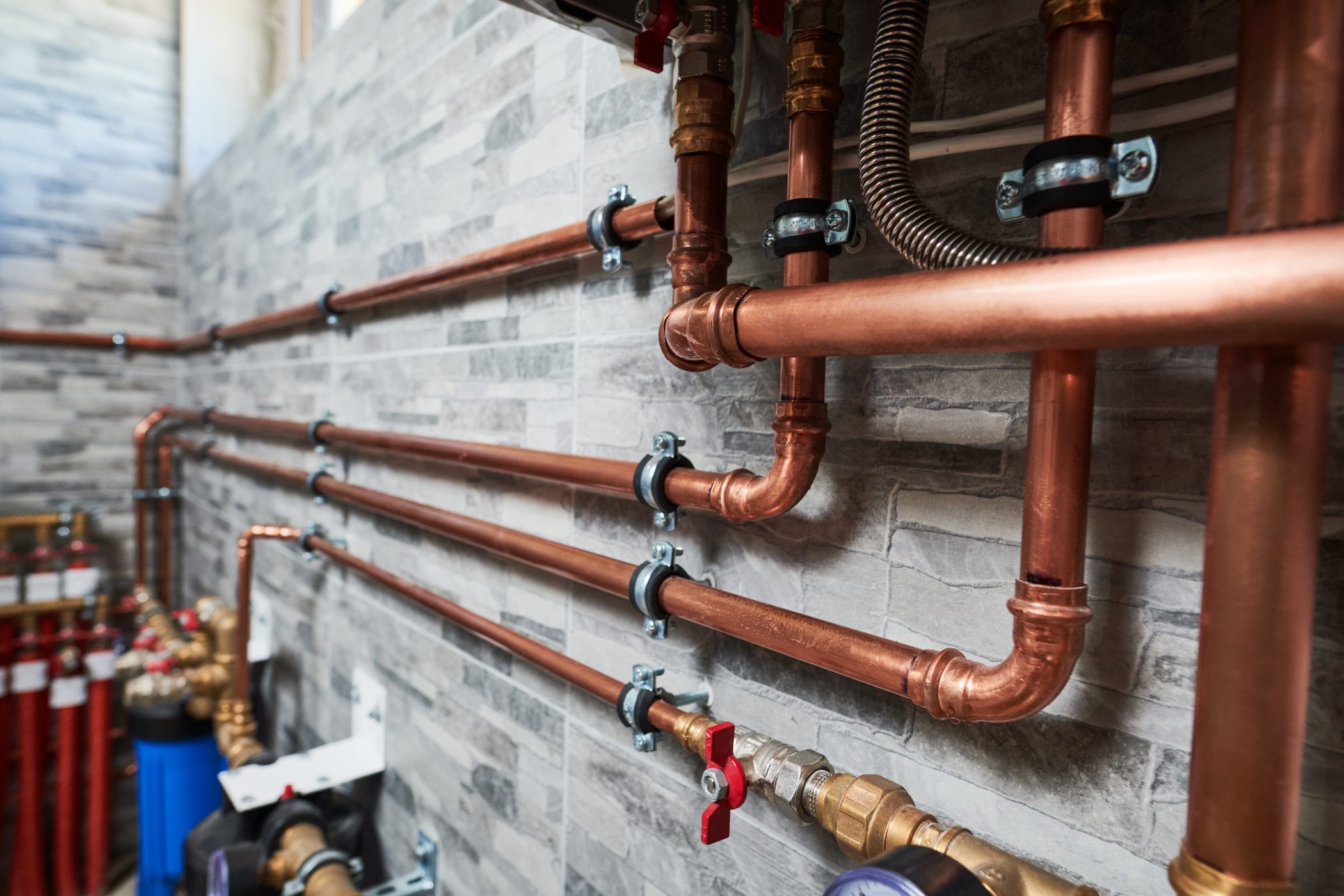
Benefits of Pipe Lining
One of the main benefits of pipe lining is its non-invasive nature. Traditional methods of pipe repair often require extensive excavation and digging, which can be time-consuming, disruptive, and costly. However, with pipe lining, the process is much simpler and quicker. The specialized resin material is inserted into the damaged pipe using a small access point, eliminating the need for large-scale excavation. This means that homeowners don’t have to worry about their lawns being torn up or damaging their landscaping. Similarly, businesses can continue their operations without significant disruptions or downtime. CIPP Rochester MN offers reliable pipe lining services that ensure minimal impact on the surrounding areas while effectively repairing damaged pipes.
Applications of Pipe Lining
Pipe lining is a versatile method that can be used in various plumbing applications. It is commonly employed to repair pipes in residential properties, commercial buildings, and even underground infrastructure such as sewers and water mains. Whether it’s fixing a leaky pipe under a kitchen sink or rehabilitating an entire pipeline system, pipe lining proves to be an effective solution. The technique can address a wide range of issues, including cracks, fractures, root intrusion, corrosion, and even complete deterioration of pipes. This makes pipe lining a valuable tool for plumbing professionals, ensuring that they can provide long-lasting repairs without causing extensive disruption to the property or its occupants. For reliable CIPP Rochester MN services, contact HandM Underground for efficient pipe lining solutions.
In conclusion, pipe lining is a valuable technique in the field of plumbing that offers numerous benefits. It provides a non-invasive and cost-effective solution for repairing damaged pipes, minimizing disruptions to homes and businesses. The use of specialized resin material eliminates the need for extensive excavation, preserving lawns, landscaping, and structures. Additionally, pipe lining is versatile and can be applied to various plumbing systems, addressing a wide range of issues. By understanding the benefits and applications of pipe lining, homeowners and professionals can ensure efficient and sustainable plumbing practices while prolonging the lifespan of their pipes. For reliable CIPP Rochester MN services, consider contacting HandM Underground for efficient and effective pipe lining solutions.