Sustainable Living Tips For Real Estate: Eco-Friendly Solutions
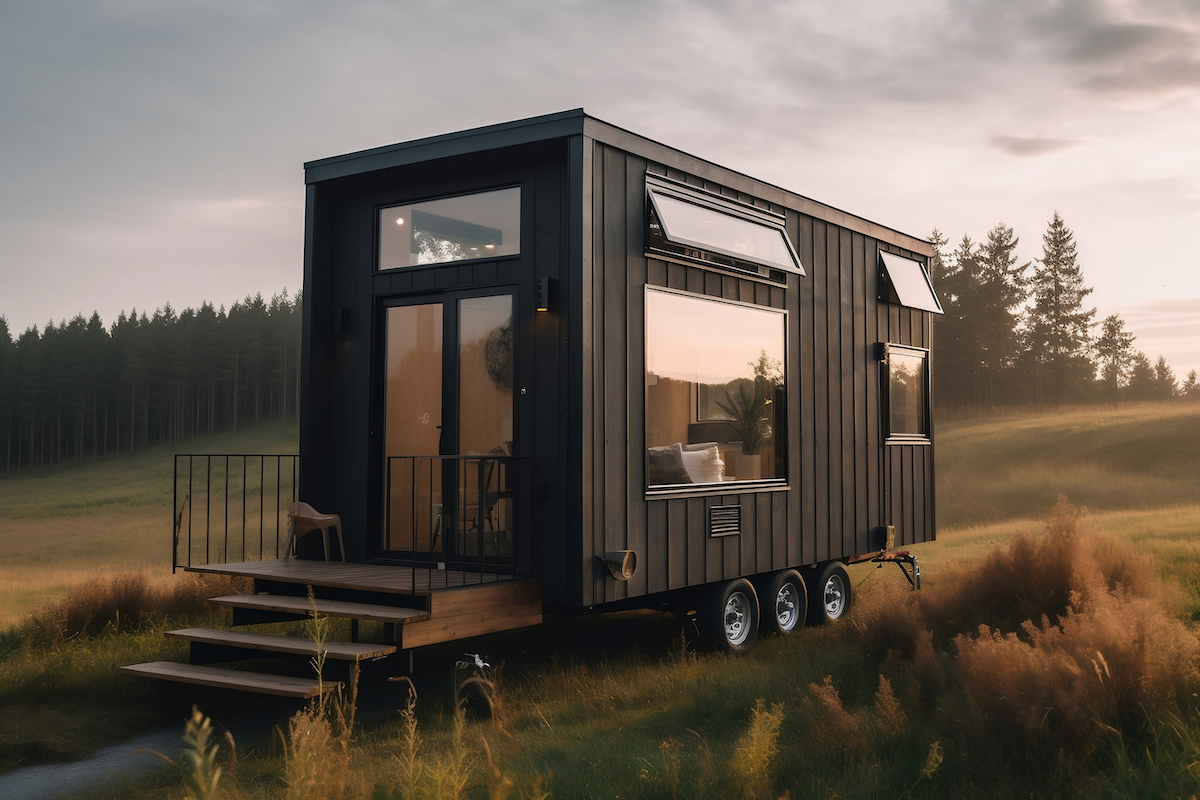
Real estate sustainable living is becoming an increasingly important topic in today’s world as we strive to create a more environmentally friendly and efficient society. With concerns about climate change and dwindling natural resources, many individuals and businesses are looking for ways to reduce their carbon footprint and live more sustainably.
Whether it’s through the use of eco-friendly building materials, energy-efficient appliances, or incorporating green spaces into urban developments, there are many ways that real estate can play a key role in promoting sustainable living practices. In this article, we will explore the various aspects of real estate sustainable living and how it can benefit both individuals and the planet as a whole.
The Importance of Eco-Friendly Building Materials
One of the key aspects of real estate sustainable living is the use of eco-friendly building materials. By opting for materials that are sustainable, renewable, and recyclable, individuals can drastically reduce their impact on the environment. From bamboo flooring to recycled glass countertops, there are numerous options available for those looking to build or renovate their homes with a focus on sustainability. Not only do these materials help conserve natural resources, but they also often come with energy-saving properties that can contribute to lower utility bills and overall energy efficiency. To learn more about how eco-friendly building materials can benefit both homeowners and the environment, read more.
The Role of Green Spaces in Urban Developments
Another important aspect of real estate sustainable living is the integration of green spaces in urban developments. By incorporating parks, gardens, and green rooftops into a city’s infrastructure, developers can help mitigate the urban heat island effect, improve air quality, and provide residents with access to nature in an otherwise concrete jungle. These green spaces not only enhance the aesthetic appeal of a city but also contribute to the well-being of its inhabitants by offering recreational opportunities and promoting physical and mental health. To discover more about the role of green spaces in sustainable urban planning.
In conclusion, real estate sustainable living is a crucial component of creating a more environmentally friendly and efficient society. By focusing on eco-friendly building materials and incorporating green spaces into urban developments, individuals and businesses can reduce their carbon footprint and promote a healthier planet. These practices not only benefit the environment but also contribute to lower utility bills, improved air quality, and enhanced quality of life for residents. As we continue to prioritize sustainability in real estate, we can create a positive impact on both individuals and the planet as a whole.