Life-Saving Guide: Aed Basics And Benefits For Emergency Cardiac Arrest
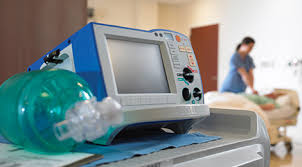
An automated external defibrillator (AED) is a life-saving device that is designed to deliver an electric shock to the heart in order to restore its normal rhythm during sudden cardiac arrest (SCA). SCA is a condition in which the heart suddenly stops beating effectively, leading to a loss of blood flow to the brain and other vital organs. This medical emergency requires immediate intervention to increase the chances of survival, and AEDs have proven to be a critical tool in saving lives.
With advancements in technology, AEDs have become more accessible and user-friendly, making them available in various public places such as schools, airports, shopping malls, and even private residences. These portable devices are designed to be used by individuals with minimal to no medical training, as they provide clear and easy-to-follow instructions for proper usage. AEDs work by analyzing the heart rhythm of the SCA victim and determining if a shock is required. If deemed necessary, the device delivers a controlled electric shock to the heart, allowing it to regain its normal rhythm and potentially save the person’s life.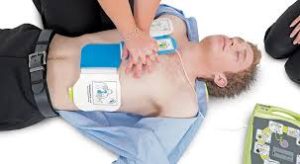
Benefits of Automated External Defibrillators (AEDs)
AEDs are portable devices that are used to detect and correct life-threatening heart rhythms. They are crucial in saving lives during cardiac emergencies, such as cardiac arrests. One of the key benefits of AEDs is their ability to quickly analyze a person’s heart rhythm and deliver an electric shock if necessary. This shock, known as defibrillation, can help restore a normal heart rhythm and increase the chances of survival. By having easy access to an AED, especially in public places, it is possible to significantly reduce the time it takes to administer the life-saving treatment.
There are several situations where having an AED can make a critical difference in saving someone’s life. For example, sudden cardiac arrests can occur anywhere, including at gyms, schools, airports, and community centers. By having AEDs readily available in these locations, bystanders can take immediate action and provide potentially life-saving treatment before professional help arrives. It is important for individuals to learn the key points about AEDs, including how to properly use them, their importance in cardiac emergencies, and where they can be located. If you learn the key points, you can be prepared to take action and potentially save a life.
Overall, automated external defibrillators (AEDs) have revolutionized the field of emergency medicine by providing an easily accessible and user-friendly tool to save lives during sudden cardiac arrests. These portable devices have the ability to quickly analyze a person’s heart rhythm and deliver a controlled electric shock if necessary, allowing the heart to regain its normal rhythm. By having AEDs readily available in public places, such as schools, airports, and shopping malls, bystanders can take immediate action and provide life-saving treatment before professional help arrives. The timely use of AEDs can significantly increase the chances of survival for those experiencing cardiac emergencies. Therefore, it is crucial for individuals to be aware of AEDs, their usage, and their importance in cardiac emergencies, as this knowledge can empower them to take action and potentially save a life.